From the Founder
From the Battlefield to the Bow Range
Bows for Battle was born from personal experience, love for the veteran community, and a belief that the first step forward can begin with picking up a bow.
As a longtime U.S. Army veteran who deployed overseas, I came home believing I could handle whatever came next. In time, I realized that although I had returned home physically, part of me was still carrying the weight of my experiences.
My wife, mother-in-law, family, and close friends saw changes I wasn't always willing—or able—to recognize. They encouraged me to seek help through the Department of Veterans Affairs, but for a long time I resisted. I couldn't shake the stigma: If I need help, does that mean I'm weak? Shouldn't I be able to handle this myself?
Around 2012, I began receiving mental health care through the VA. It wasn't an immediate transformation. I struggled to open up, and it took nearly a year to trust the people helping me. I have continued that work ever since.
I learned that strength isn't pretending everything is okay. Sometimes strength is recognizing when it isn't and being willing to do something about it.
Finding Something Behind the Bow
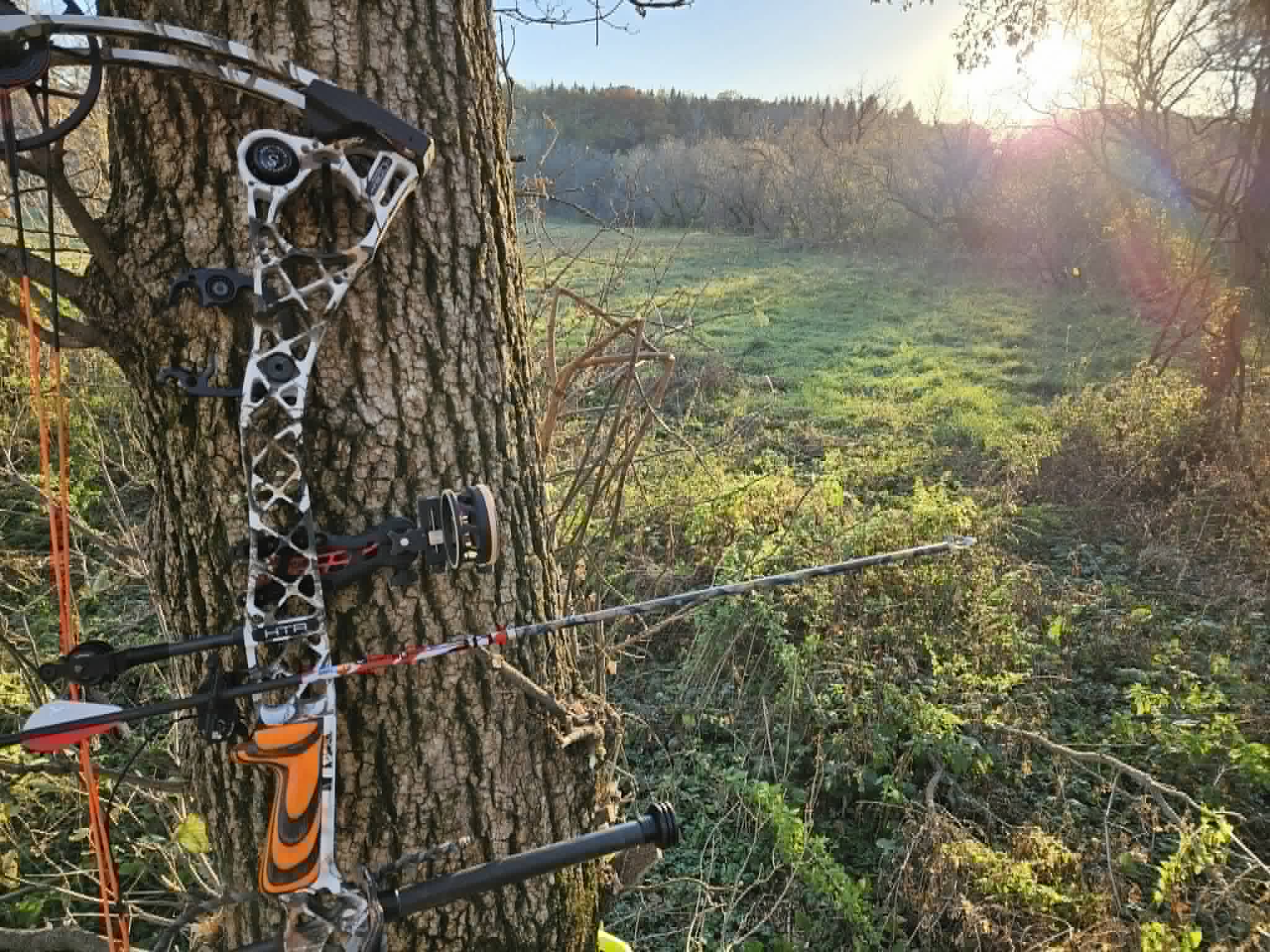
Professional mental health care was only part of the equation. I also needed positive outlets in everyday life. For me, one of the most powerful became archery.
To make a good shot, you slow down, control your breathing, settle your body, quiet your mind, and focus on what is in front of you. I realized that what happened behind my bow could tell me what was happening inside me.
Was I breathing normally? Was my body tense? Was my mind racing? Could I concentrate on my shot process, or was my mind somewhere else entirely?
Archery became more than recreation. It became a way to check in with myself.
When the breathing, concentration, repetition, and release came together, the rest of the world seemed to quiet down for a while. I found something behind that bow that was difficult to find anywhere else—and I began wondering whether another veteran might find something there too.
When an Idea Became a Mission
For years, I had been involved with larger veteran organizations. Veterans and volunteers worked hard, raised money, and accomplished important things. Yet after all the effort, it could still be difficult to see the veteran on the other end of it.
I wanted something more personal. I wanted the people supporting our mission to know who we were helping—to shake a veteran's hand, hear their story, put a bow in their hands, and know exactly why we had done the work to get there.
At the same time, I kept hearing that another friend had lost a battle buddy, another veteran was gone, and another family was left behind. Each story brought back the friends I had lost to suicide and the struggles I had experienced in my own life.
Those experiences came together with what archery had given me: a way to slow down, breathe, focus, become more self-aware, and put my energy somewhere positive.
The question stopped being “Wouldn't it be great if somebody did this?”
It became: “Why not us?”
That is when the idea became Bows for Battle.
One Veteran at a Time
Bows for Battle was built around a simple idea: make it personal. We don't want the veteran receiving support to be a number on a spreadsheet or a statistic in an annual report. We want to know their name, hear their story, put a bow in their hands, and welcome them into a community.
Our mission begins with archery, but it doesn't end there. A bow does not replace professional mental health care, counseling, family support, or other veteran resources. We believe archery can be another tool in the toolbox—a healthy outlet that encourages focus, patience, self-awareness, confidence, fellowship, and time outdoors.
Maybe the bow becomes a lifelong passion. Maybe the range becomes somewhere to clear the mind. Maybe hunting gives a veteran something to look forward to, or the archery community leads to lifelong friends. Maybe recognizing that something doesn't feel right gives someone the strength to reach out and talk.
Why We Fight
Bows for Battle exists because too many veterans are still fighting battles long after they come home. I've fought some of those battles myself, and I have been fortunate to have family, friends, fellow veterans, and mental health professionals who stood beside me—even when I wasn't ready to accept their help.
This is our opportunity to pay that support forward. We may not solve every problem facing the veteran community, but we can reach one veteran. We can listen to one story. We can put one bow into someone's hands. We can introduce one veteran to a community that lets them know people are still standing beside them.
One veteran. One bow. One arrow at a time.